
Austin Allegro is a small family car produced by British Leyland from 1973 to 1982. The original design brief was for a technologically superior vehicle to compete head-on with compact cars emerging from continental Europe. Celebrated designer Harris Mann produced a striking design based on the “wedge” concept that culminated in the Triumph TR7.

Sadly, any chance of success was squandered by factory strikes, quality issues, compromised styling (Mann’s sleek design was botched by the demands of BL management) and the unavoidable implosion of British Leyland.
For generations of Brits the Allegro came to symbolize social turmoil and political failure. Jeremy Clarkson called it “the worst car in the world”. But is it really?
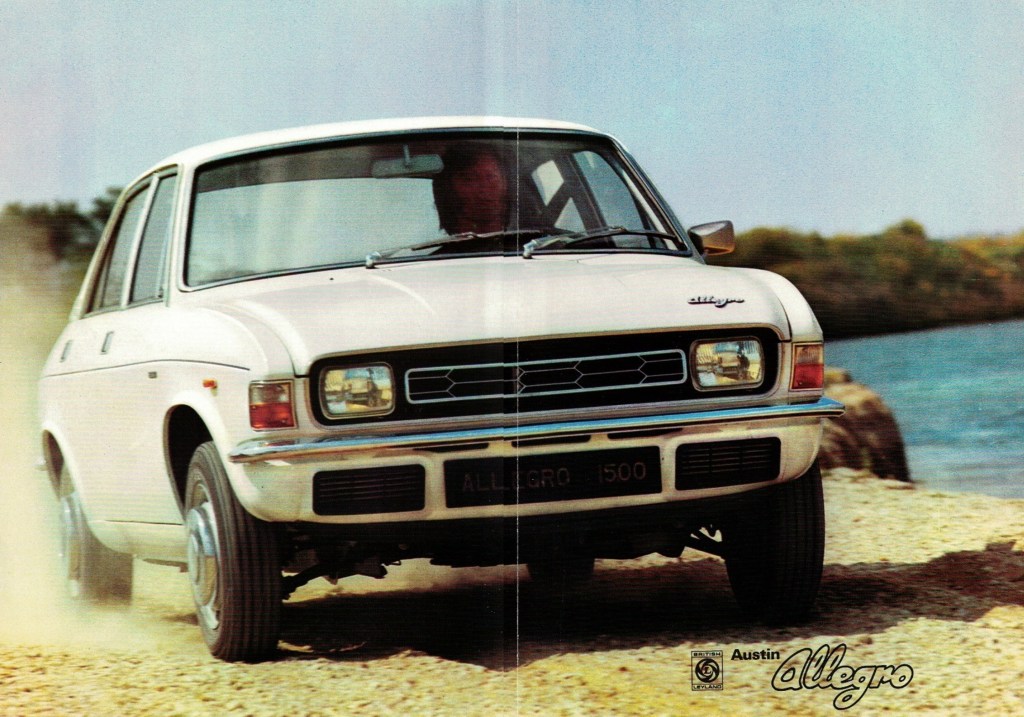
The Allegro was not destined for success, but in recent years it has gained a dedicated following and more than a little redemption.
When properly maintained the Hydragas suspension provides a comfortable ride that can’t be matched even by luxury brands today. All but the smallest engines have enough power to keep up with modern traffic, and the interiors are comfortable with excellent visibility. The extremely rare estate versions (less 50 are believed to have survived) have a folding rear bench seat and a flat loading area with no loading lip that make them enormously practical too.
Designed from the outset for home maintenance with a cavernous engine bay, the Allegro is an ideal first classic car.
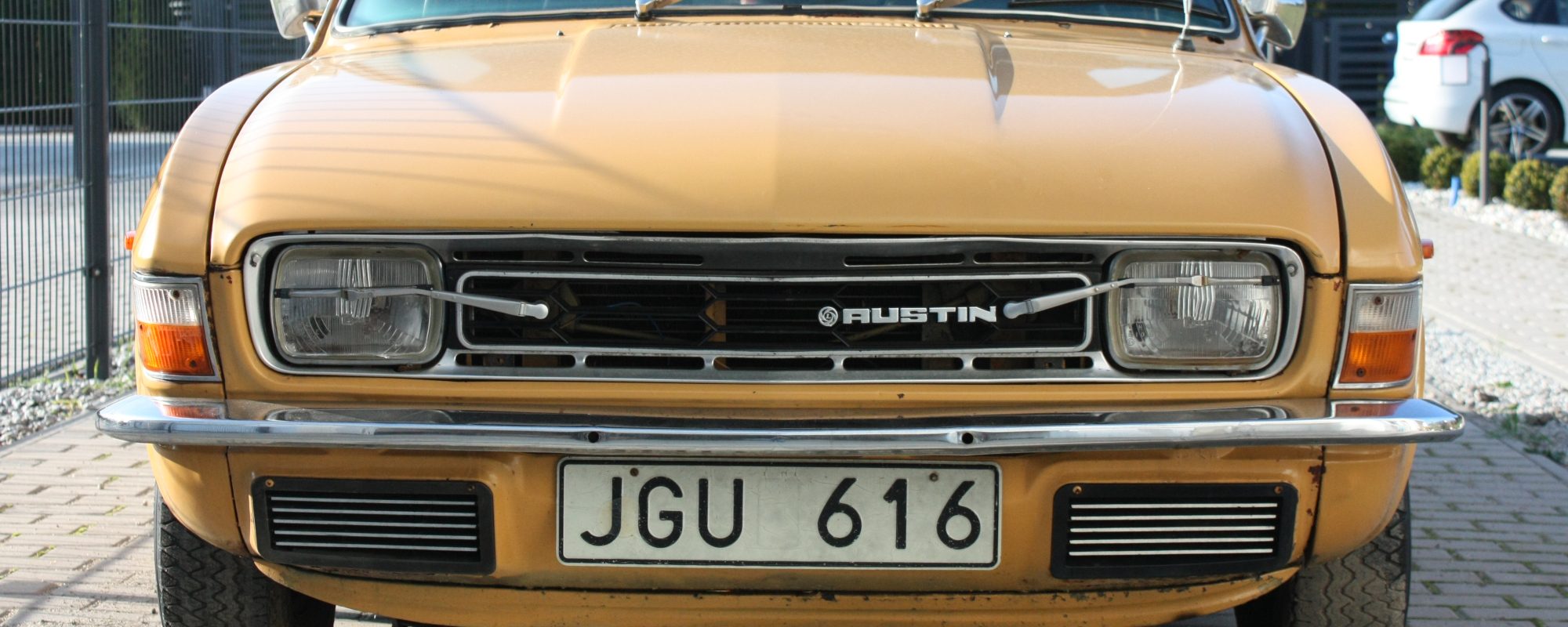
As a left-hand drive estate Agnetha is already a rare beast, and as a Swedish export model she’s practically a living dodo. Swedish legislation of the time required some customizations such as a headlight wipers, which in the Allegro’s case was implemented using some serious Parts Bin improvisation – and I think they suit her very well!
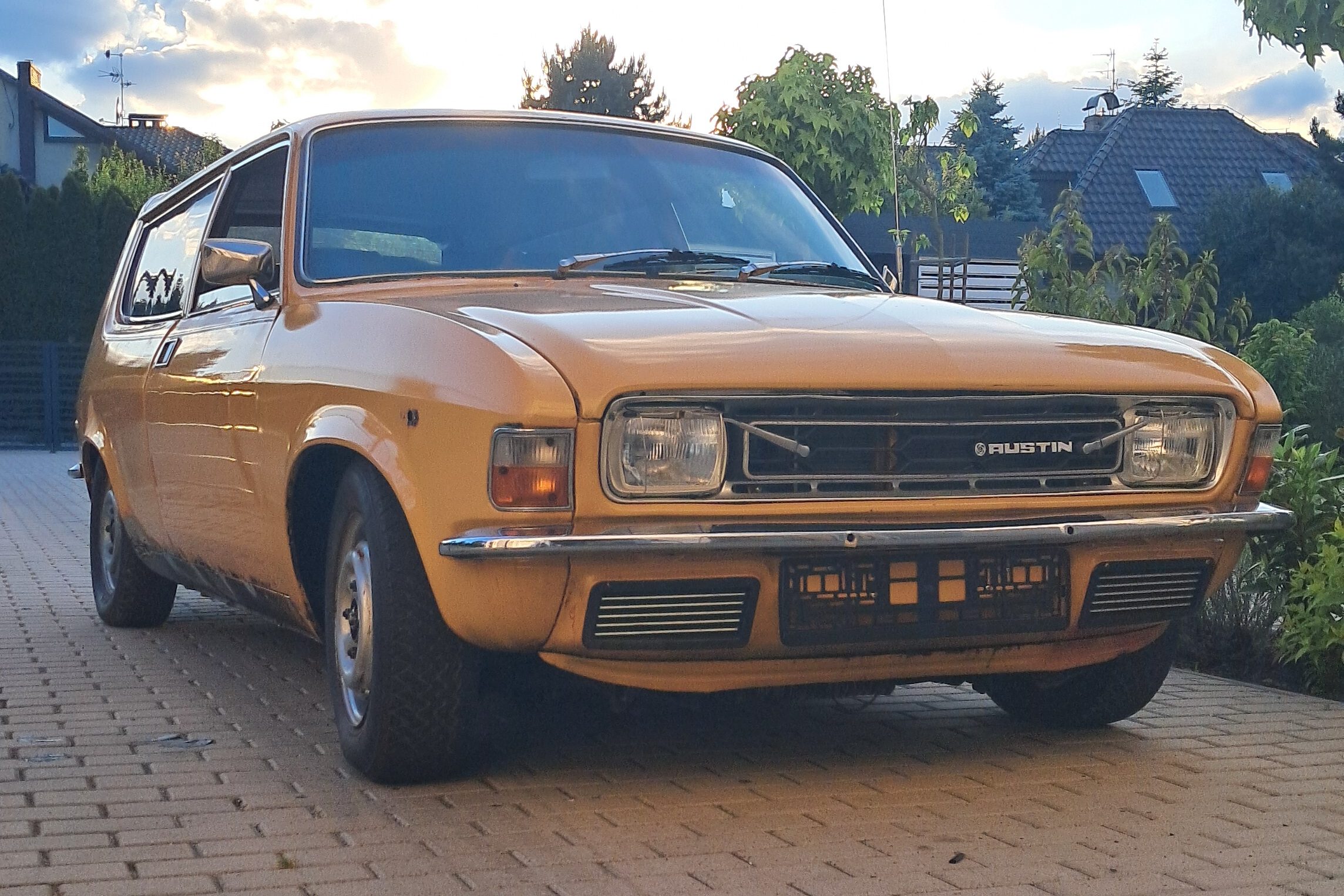
I know very little of Agnetha’s history and it does not seem to be a happy one for the most part. From her first registration in October 1976 she clocked up a respectable 122000 km until, in August 1988, she had her annual inspection, presumably failed, and was sold the following October. On 31st March 1989 she was formally “banned from public roads” and then somehow survived 32 years of disuse until being rescued and imported to Poland by a private museum, bringing to an end a 44 year-long career in northern Sweden.
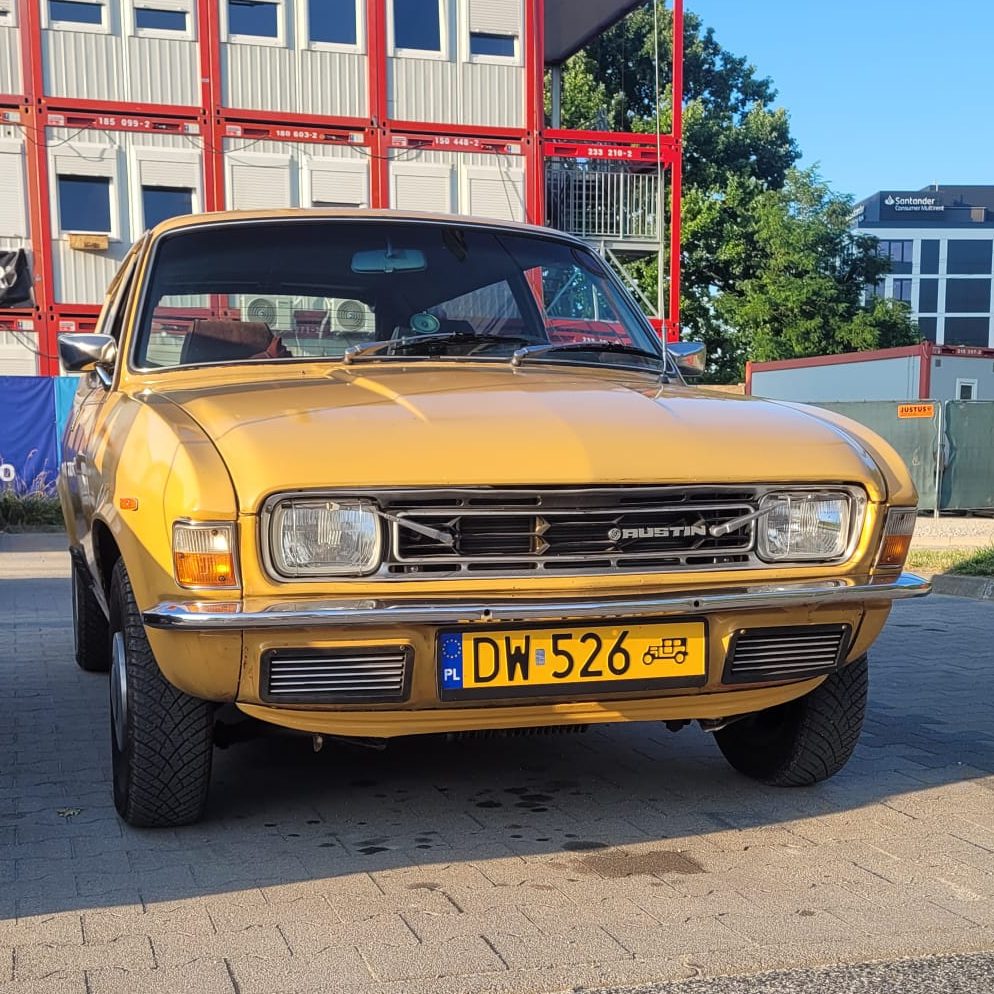
By the time I bought her in 2022 she was very much on the knife-edge of being a viable restoration project or becoming a spares car. Now, happily, she’s back on the road as a rolling restoration. If you know anything of Agnetha’s history in Sweden please get in touch. Her original registration plate was JGU 616.
 Projekt Agnetha