
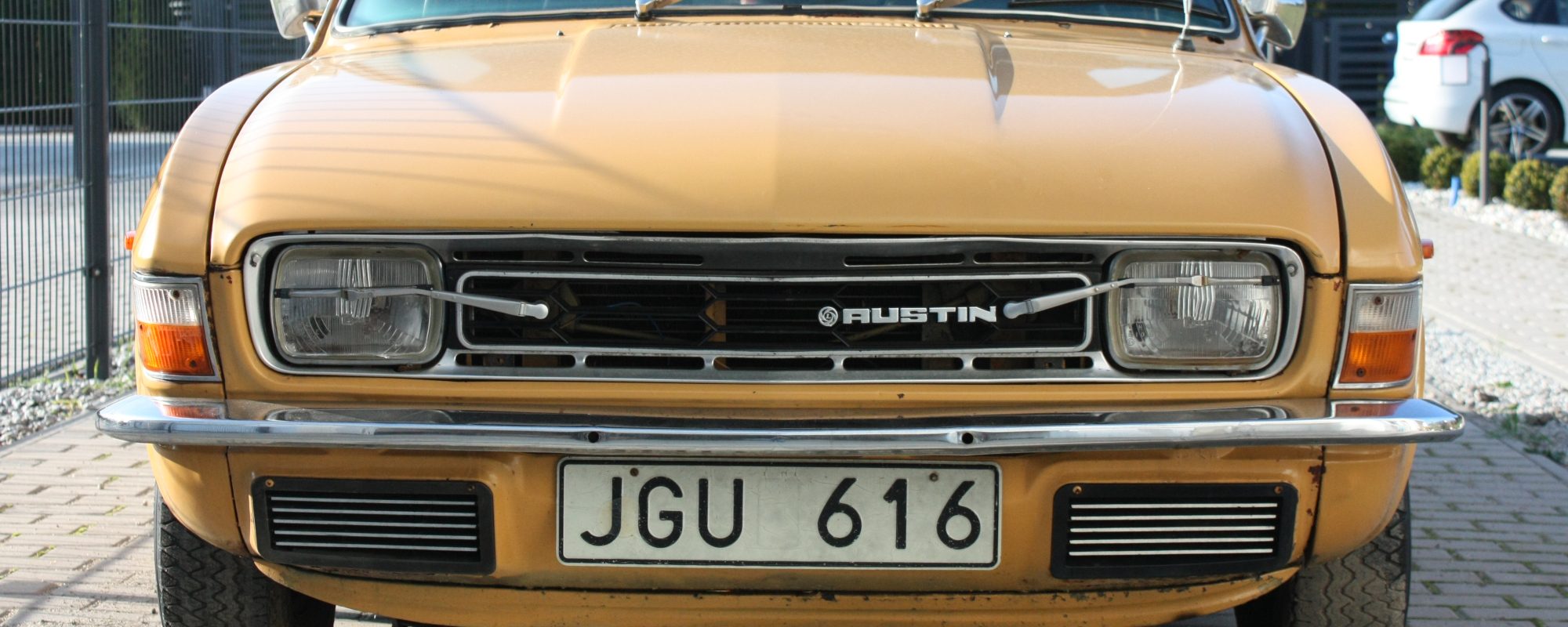
Posted cringe on YouTube recently. Kind of rambling and badly-lit but anyway it’s a start.
Month: December 2022
Applying for Historic Vehicle Status in Poland
I think Agentha is at least 12 months away from being ready for the road, which gives us time to put some paperwork through so we can get her inspected and registered as soon as she’s ready. We have two options for registering Agnetha: “White plates” which are the norm (unless you have an electric car, in which case you get “green plates”), or “yellow plates” that are reserved for historic vehicles. The yellow plates are easily recognised not just for being yellow but for having a cartoon outline of a prewar-style car (not sure if it’s a real car or not), which I think is very cool indeed.
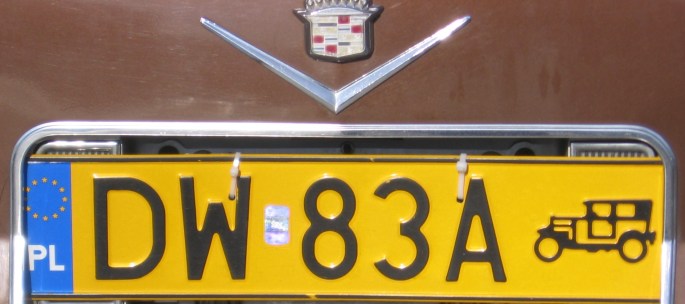
With the yellow plates you get a few perks: The vehicle only needs to be insured when you use it instead of all year round, so if I only want to drive Agnetha in the spring and summer I don’t need to insure her for autumn and winter. There are also discounts for insurance too. The vehicle can retain its original light and sound signals, and – while this won’t apply to Agnetha – they only need to be inspected once as long as the vehicle doesn’t carry passengers. Agnetha needs to carry passengers, however, and I’m a bit of stickler for safety, so she’ll be getting inspected annually.
Historic status isn’t automatically granted though. The requirements are quite strict:
- The vehicle must be older than 30 years
- The vehicle must have been out of production for at least 15 years
- It must feature at least 75% original components
That said, the final decision lies with the Conservator of Monuments for whichever region of Poland you live in. Every application is considered case-by-case and they may accept a vehicle that doesn’t meet the requirements, or vice verse. This article explains it.
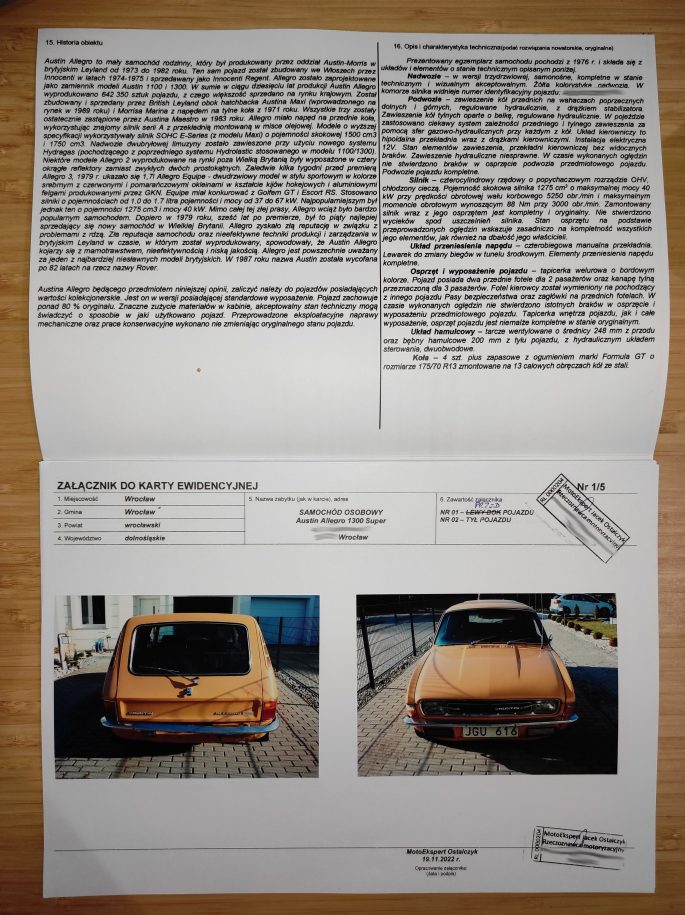
The application process is not trivial either. The Conservator needs a report written by an approved expert including photographs, technical specs, a description of not only the specific vehicle, but also the significance of the manufacturer and the model’s place in history, it has to be printed on a specific type of paper, 3 original copies, etc. etc. It is very detailed and not cheap! Once the report is delivered, it’s basically a case of stick it in an envelope and post to the Conservator. Here’s Agnetha’s application, and it’ll go in the post tomorrow:
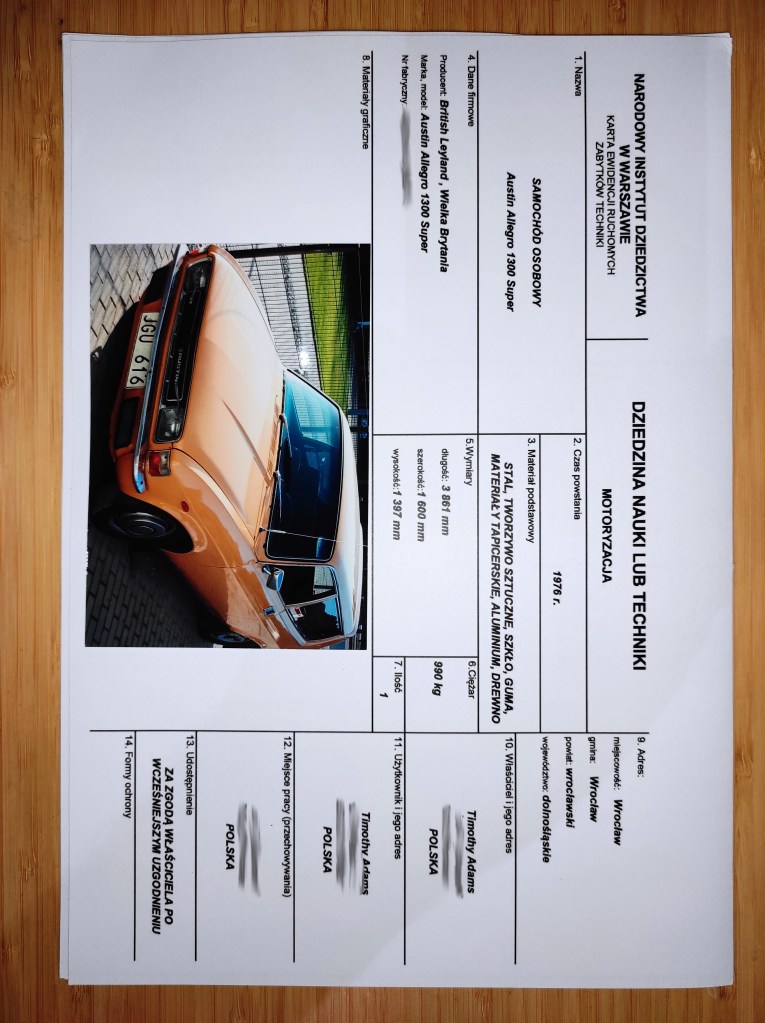
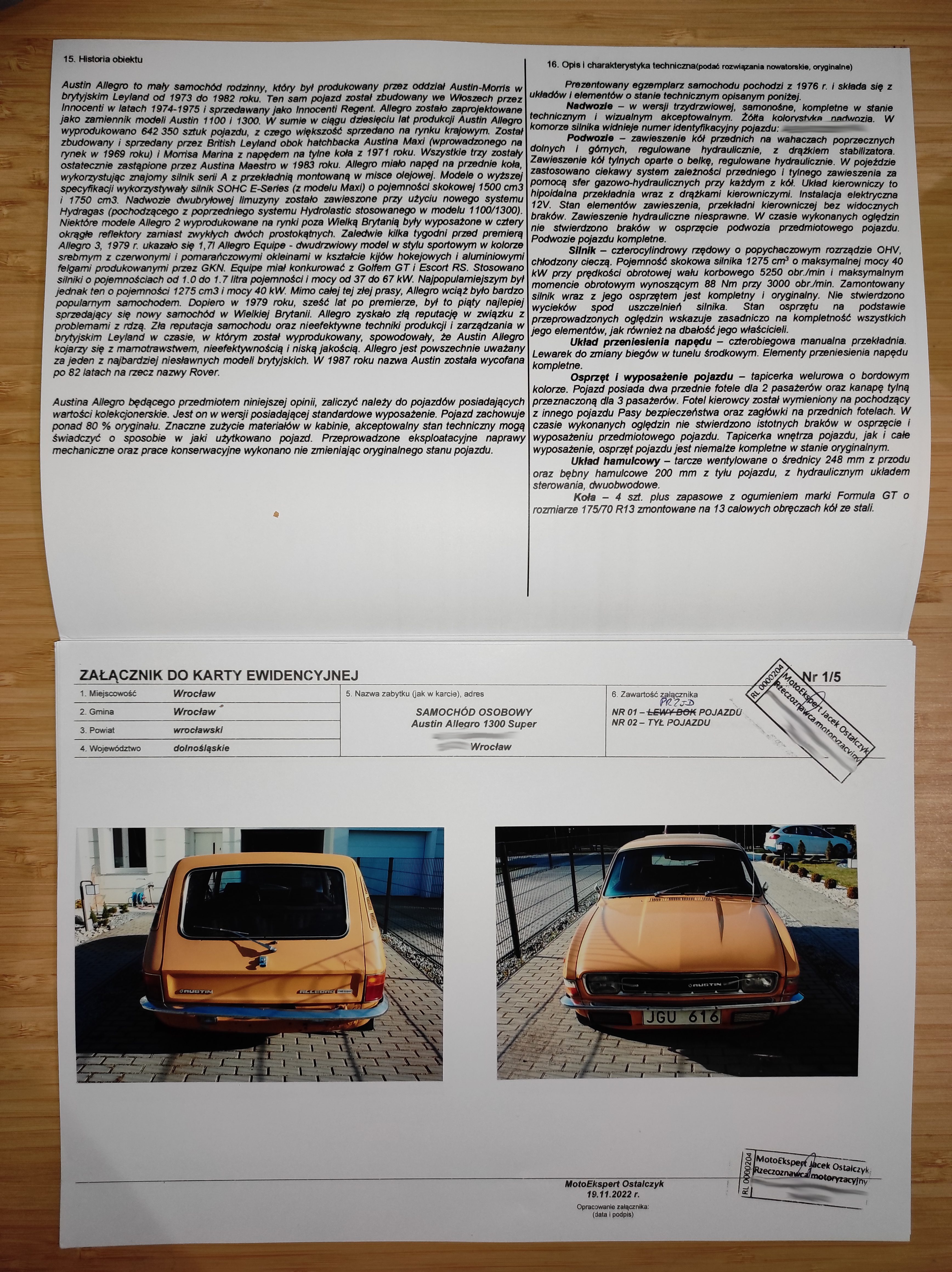
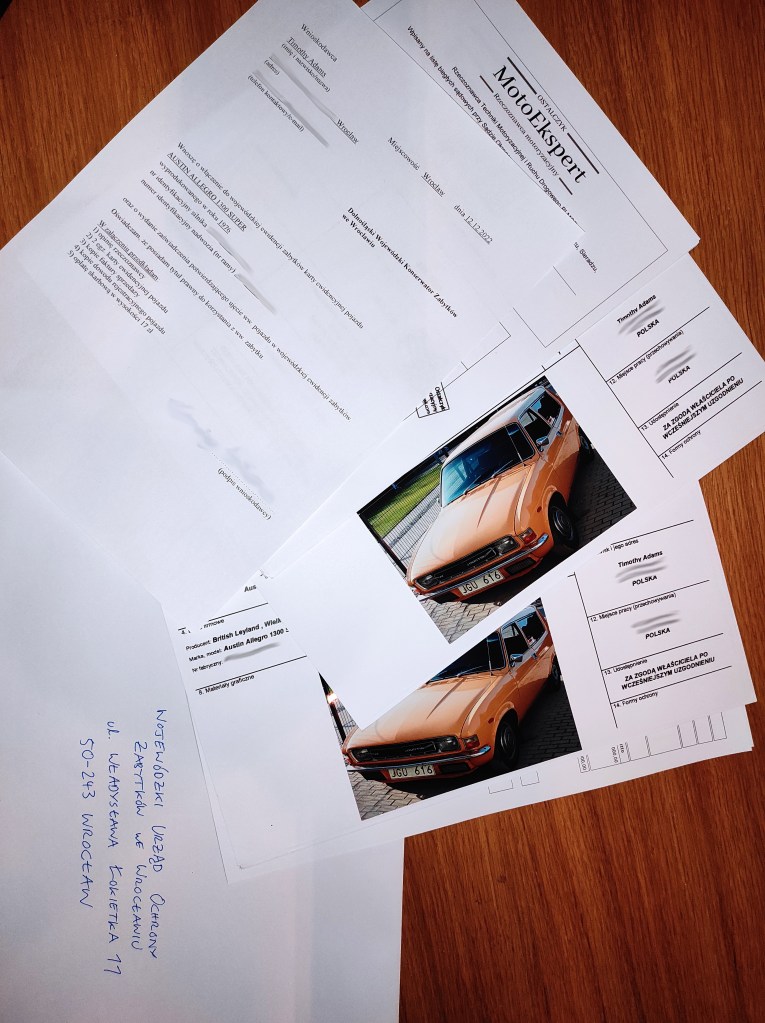
All being well, we should get a certificate confirming Agnetha to the inventory of historic vehicles in Lower Silesia. With the certificate granted, and provided I’ve done everything possible to ensure the car is safe to drive, I can obtain temporary registration plates which allow the car to be driven to a test station for a technical inspection – this will be her first drive on public roads since 1989! If that passes, we can finally get yellow plates and at last crank up the miles. Fingers crossed for that certificate…
Electrics – Part 3
When Agnetha arrived in October, literally nothing electrical was working. After checking every circuit, scrubbing every contact in every switch, and in some cases replacing the switchgear altogether, almost everything now works. The one noteable exception is, of course, the headlight wipers. This was initially because the motor was rusted-up. The windscreen wiper motor worked fine, so I ordered a new motor from Mini Spares in the UK, fitted that to the windscreen wipers and transplanted the old motor to the headlight wipers.
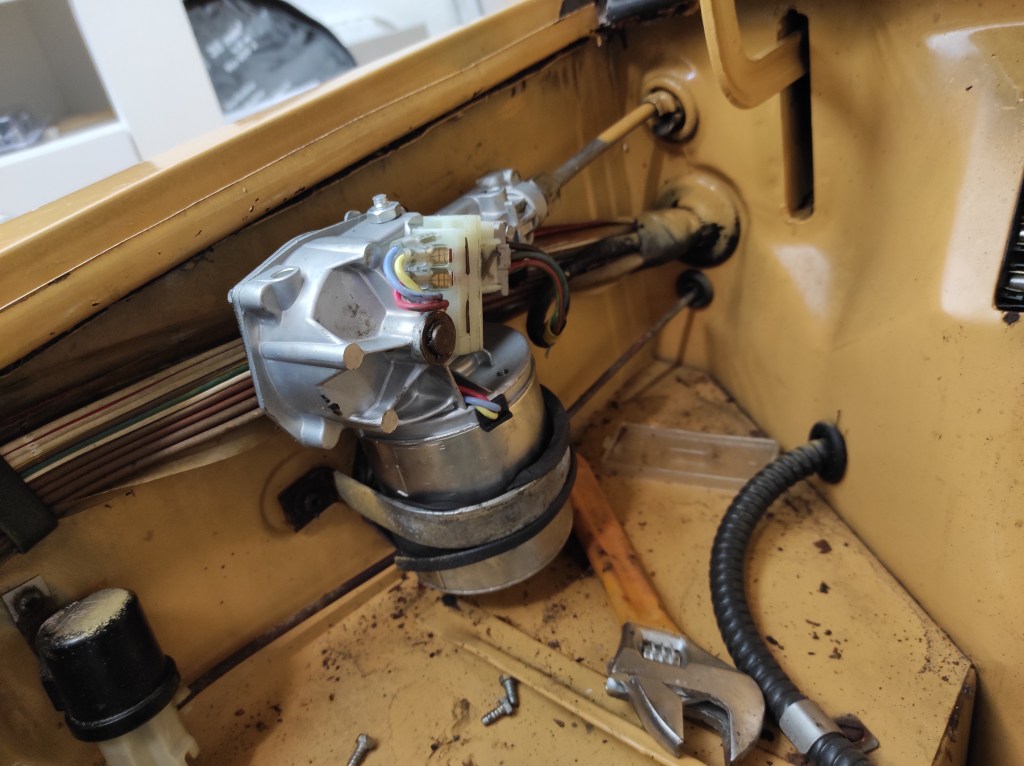
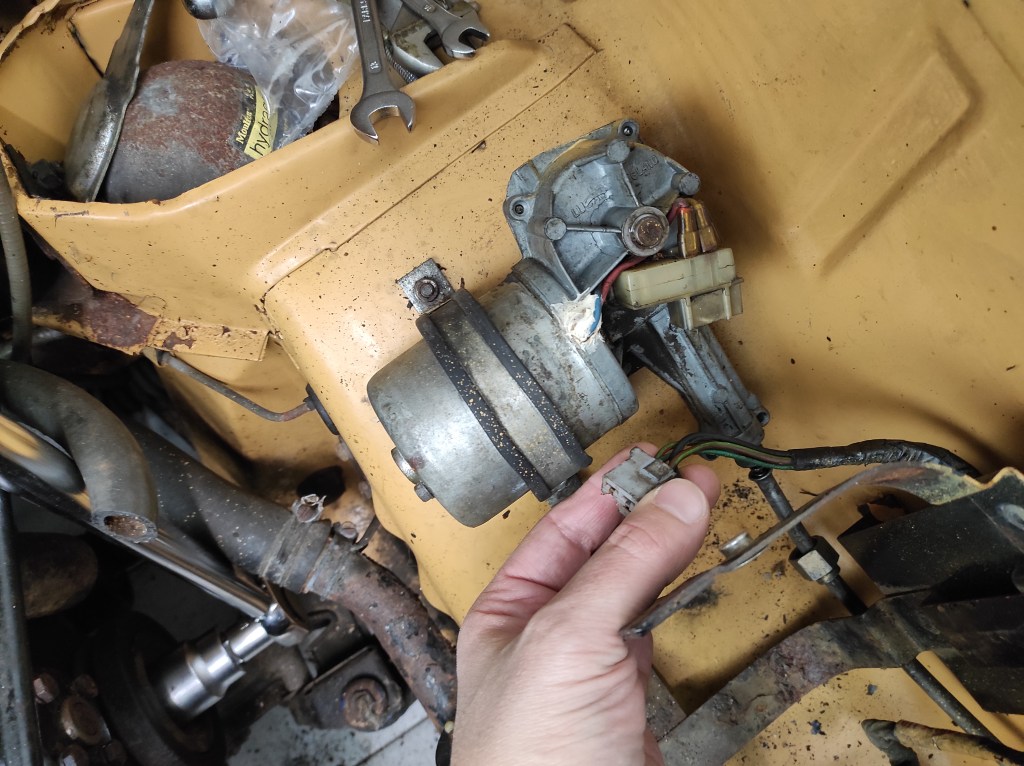
Unfortunately I didn’t think to order a new plug even though it should have been pretty obvious that the original plug is also rusted to hell. This meant I was only able to get the headlight wipers to operate a couple of times before the plug gave out entirely and now it’s just an open circuit of various corrosion products lol.
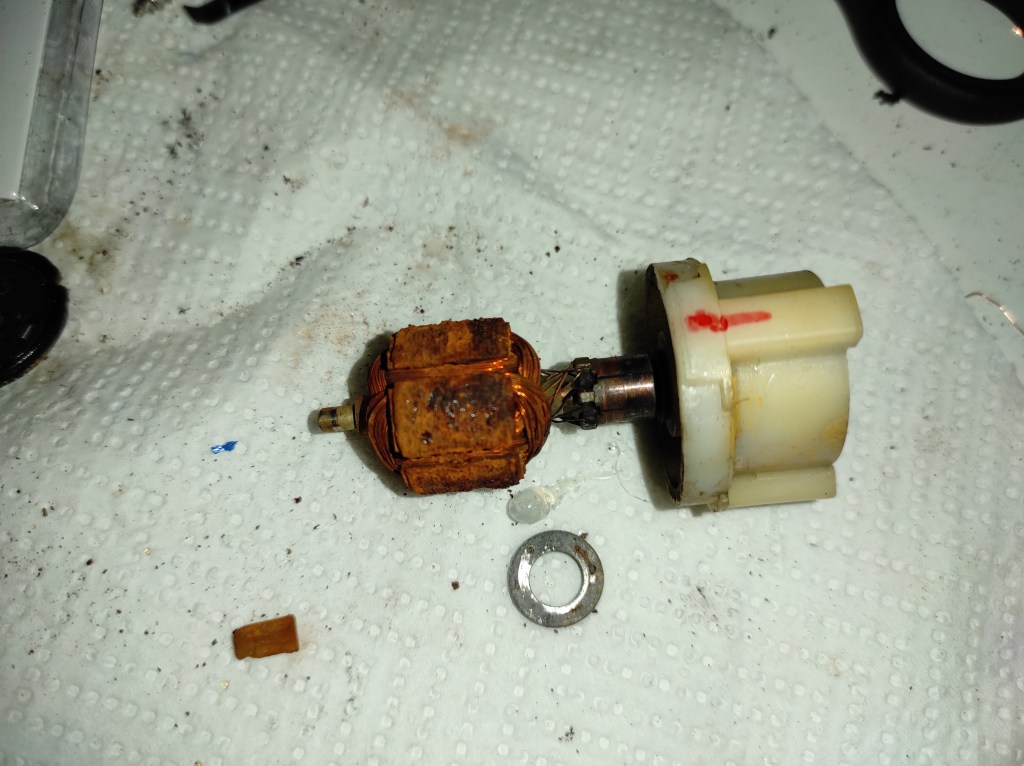
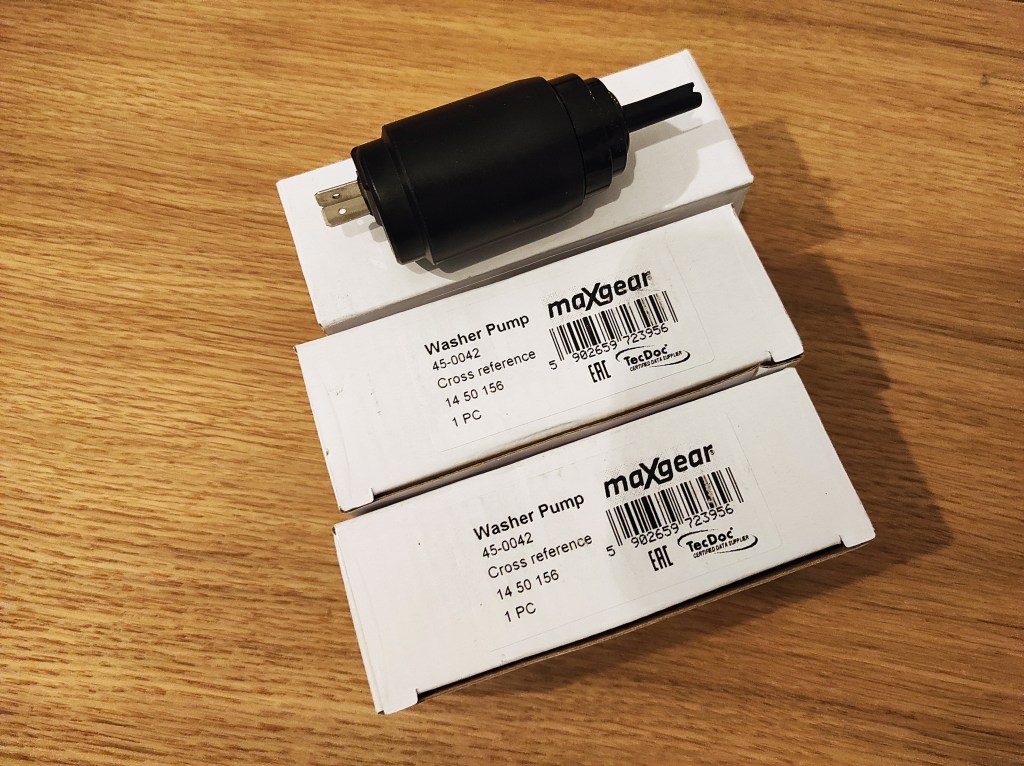
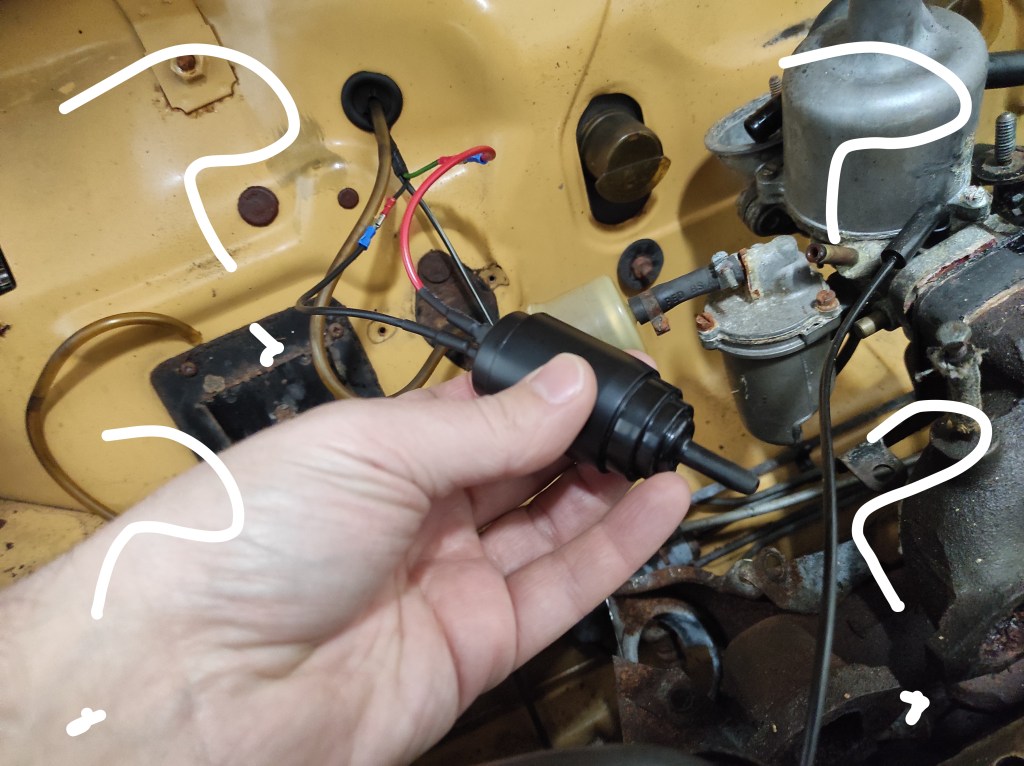
As for why none of the screenwash pumps worked, rust is also the answer. All three of them (headlights, windscreen and rear screen) had rusted completely. I replaced them with generic 12V pumps by a Polish motorfactor called Maxgear at 19.88zł each (about £3.60!!). They seem a lot more weather-proof and robust than the originals but naturally I didn’t think about how to actually mount them.
I’ve also traced some intermittent faults (and spectacular arcing) back to the ignition switch, hazard switch and indicator stalk. Turns out the repairs I did on them weren’t up to much, so I ordered new indicator and windsceeen wiper stalks and a hazard switch, again from Mini Spares. These were fairly easy to install apart from the wiring order of the sockets on the Allegro is completely different to the classic Mini so I had to fiddle around for an hour to swap the cables around in the plugs – luckily the colour-coding is the same!
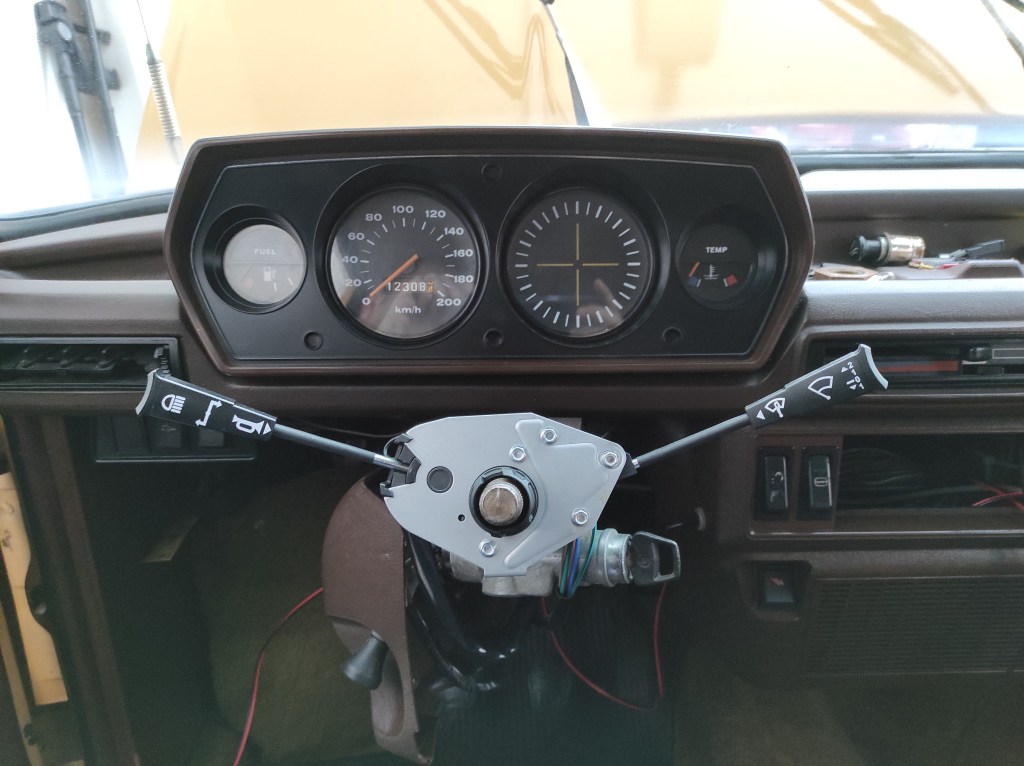
The ignition switch was an easy fix – it was just missing a ball bearing that acts on the plastic detents to keep the switch in position. Must have fallen out and gone up the vacuum cleaner when I opened it the first time. The rear window heater switch also came alive in beautiful green illumination after I gave it the now routine “wire brush and hot-glue” treatment – can’t tell if the heater itself works though. The element looks rather corroded.
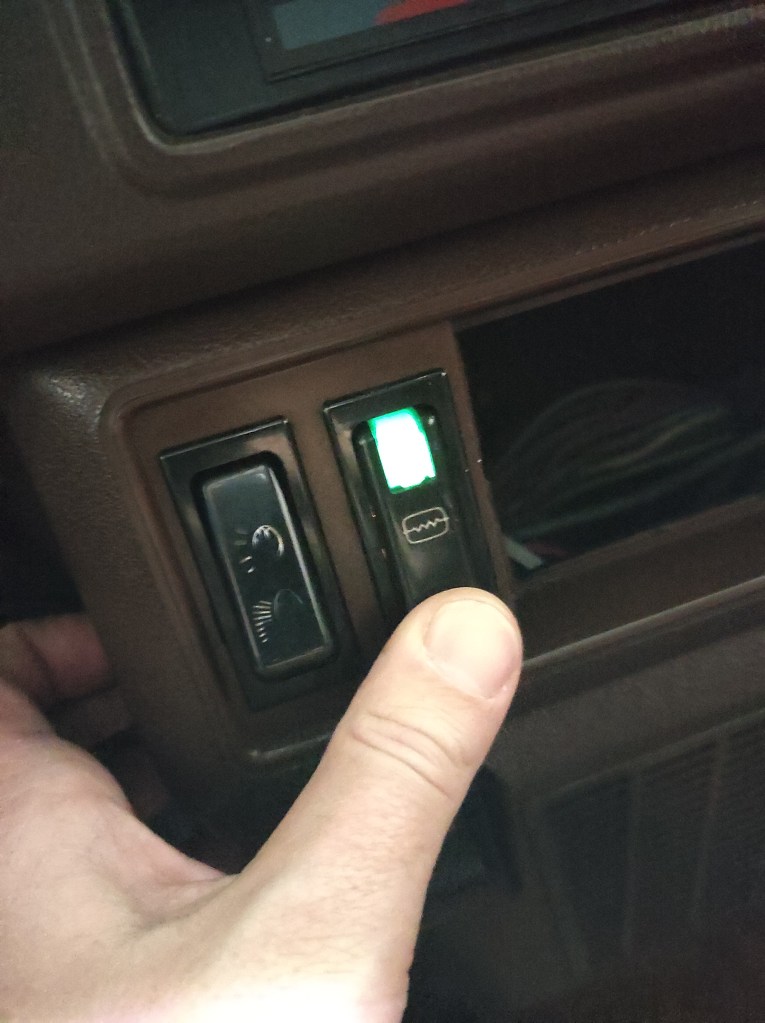
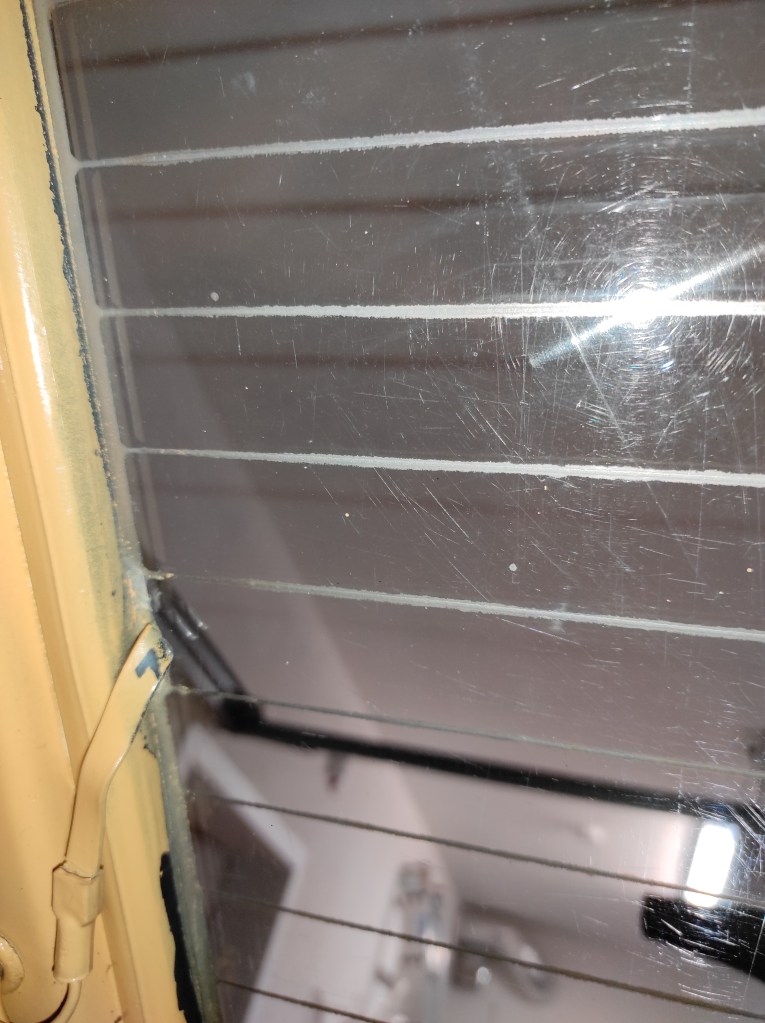
There were still some electrical gremlins though. It’s a simple car – so how can it be so complicated? As it turns out Agnetha had a couple of modifications. First of all, a relay had been installed to turn the daytime running lights on whenever the ignition was turned on. When I posted a photo of this on social media I got a comment that the wiring was “awful” – and, yeah, it didn’t look great. Secondly, there was another relay installed with an isolation switch to operate the no-longer-present bumper-mounter fog lights when high beam was selected. The wiring for this was in a bad state as well. So I stripped the whole lot out and returned it to the factory-spec wiring given in the Haynes manual.
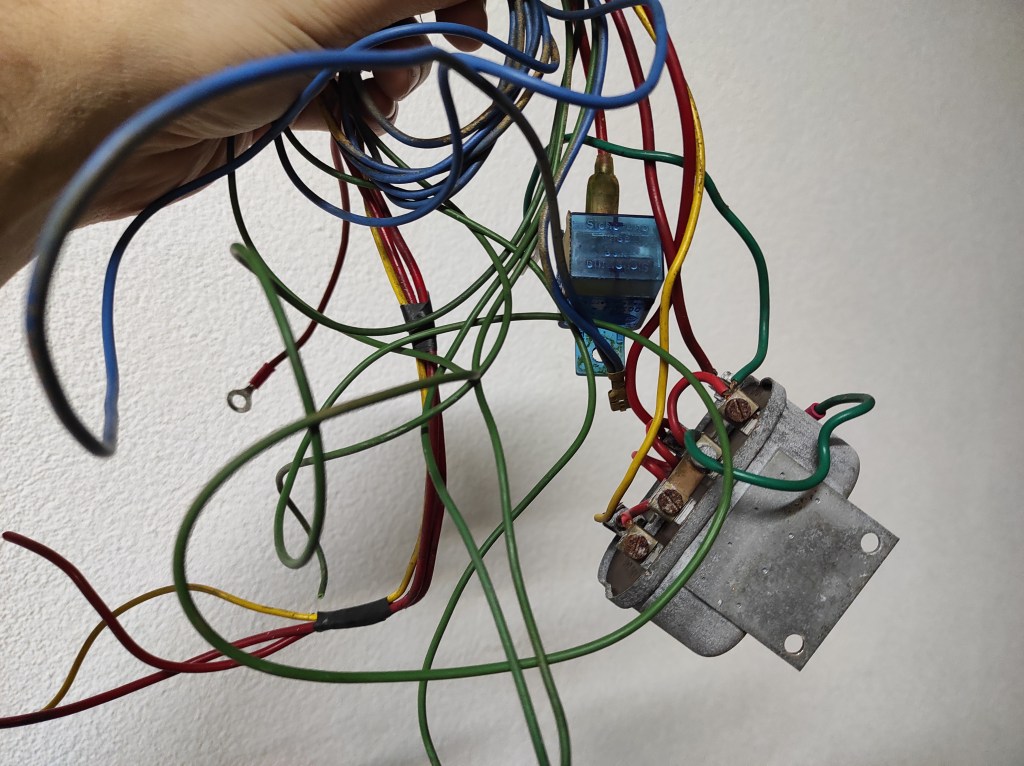

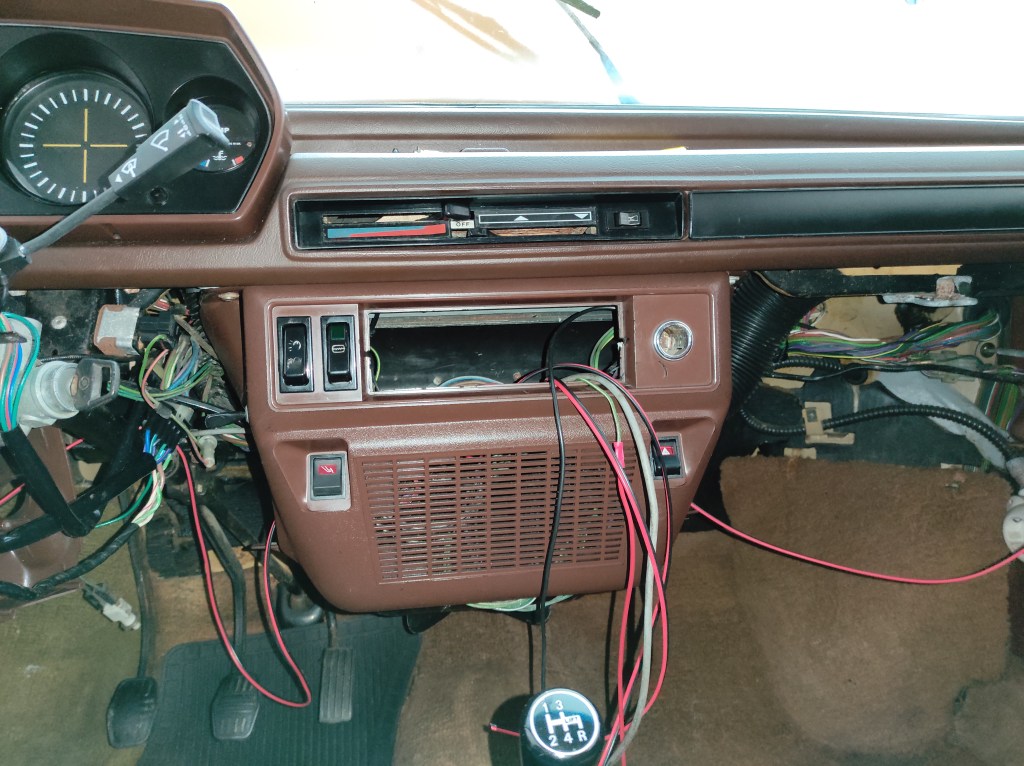
That solved everything. The trusty wirebrush also got the brake lights working! Feeling confident I then added some cabling for the forthcoming stereo, cleaned out the interior air-box and put the facia back in place.
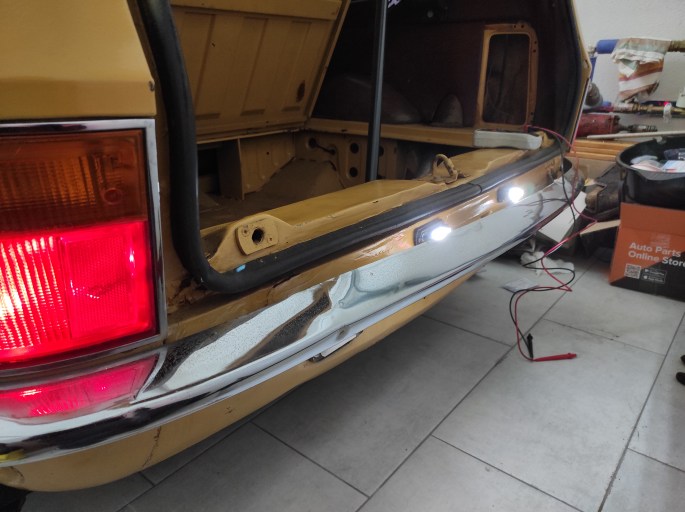
Then it was time to attend to the rear lights. The indicator/brake/running light clusters both work and I replaced the dead number plate lights with LEDs; a similar type to the interior lights but double the power – it may be a little too much as the rear now seems brighter than the headlights! I might swap them for the interior lights. No joy with the reverse lights. Most likely the reverse switch is verkacked. It will have to wait until I find a way to jack this baby up.
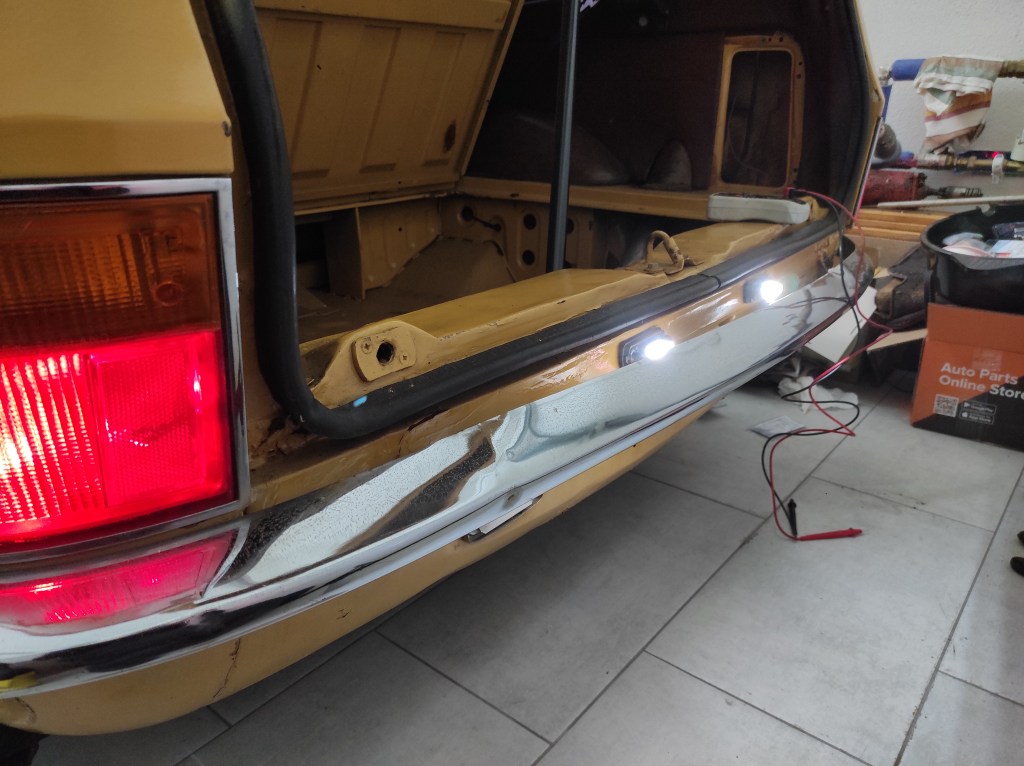
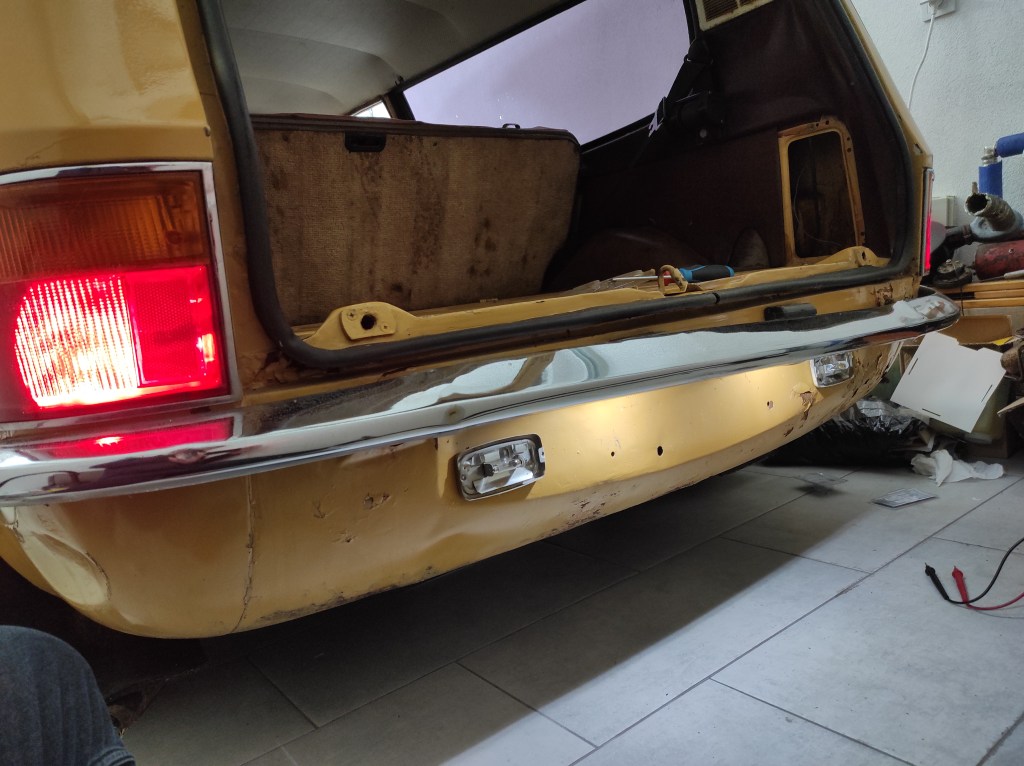
There’s still some work to do but it’s going to be incremental (fix this, replace that) and I think at this stage it’s fair to say the electrics are revived. Now we can focus on stripping down the engine.
 Projekt Agnetha